Alloy Wheel Repair in Cambridge: Costs, Safety and When to Replace
This is a subtitle for your new post
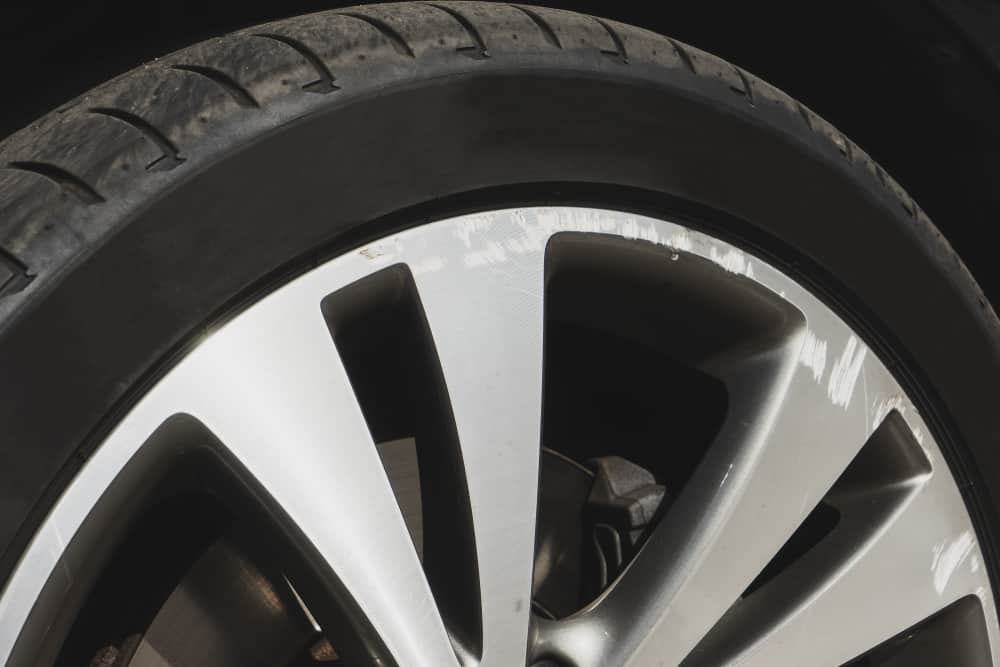
Kerbing a wheel is easy to do and frustrating to look at. A harder impact can add vibration, air leaks or steering pull. Beyond appearance, alloy condition affects safety, tyre sealing and, after a pothole or kerb strike, can upset wheel alignment and Advanced Driver Assistance Systems (ADAS). If you are weighing up repair versus replacement, the right answer depends on the damage, the wheel type and manufacturer guidance.
Cooper Barnes Automotive is a manufacturer-approved bodyshop and accident repair centre based in Linton, serving Cambridge and the wider Cambridgeshire area. With VBRA Certified technicians, BS 10125 accreditation and 21 manufacturer approvals, the team follows OEM methods, uses 100% genuine parts and prioritises safety and warranty protection.
Are alloys worth repairing?
Often, yes. Cosmetic damage and minor distortion can usually be repaired safely to manufacturer standards for less than the cost of a new wheel. Repair is especially cost-effective when:
The damage is limited to lacquer, paint or light kerb rash on the rim edge.- A wheel has a small flat spot that can be straightened within tolerance.
- Lease or PCP return standards require a presentable, OEM-quality finish rather than a new part.
Replacement tends to be better value when:
There is a structural crack at or near a spoke, hub or inner barrel that the manufacturer prohibits repairing.- The wheel is forged or heat-treated in a way that rules out heating or welding.
- A previous poor repair has compromised the metal.
If an insurer is involved, it may approve a repair or push toward a cheaper non-approved option. You always have the right to choose an approved repairer that follows OEM methods. That choice helps protect your warranty and ensures correct ADAS alignment checks after impact.
What damage can be repaired safely?
Within manufacturer methods and tolerances, the following are typically repairable:
Light kerbing and scuffs that affect only paint and lacquer.- Localised paint or clearcoat failure.
- Minor flat spots or slight buckles that can be cold-straightened back within runout tolerance, verified on a balancer.
- Stone chips and cosmetic corrosion that have not undermined the metal.
The following are generally not repairable under OEM guidance:
Significant cracks in stress areas such as spokes, the hub seat or across the inner barrel.- Heat-sensitive forged rims where heating or welding is prohibited by the manufacturer.
- Severe distortion, deep gouges into the metal, or previous welded repairs that cannot be validated to OEM standards.
Cooper Barnes works to brand repair methods and will advise when replacement is the only compliant route.
Methods explained, in plain English
- Paint and lacquer refurbishment: The damaged area is cleaned, lightly dressed and filled where required, then colour-matched and repainted. A high-quality clearcoat is applied and cured. For standard painted finishes, this returns a uniform look and helps protect against corrosion.
Colour matching: Using spectrometer-based colour analysis and the correct paint systems, metallics, pearls and complex greys or blacks are matched to the vehicle and wheel set so repaired wheels do not stand out.
Diamond-cut refurbishment: Diamond-cut wheels have a bright, machined face under clear lacquer. Restoring them requires precision machining on a lathe to remove a controlled amount of material before re-lacquering. OEM-level process and thickness control are vital to preserve structural integrity and achieve the correct gloss and clarity.
Straightening: Buckles from potholes can often be corrected using controlled pressure and measurement until radial and lateral runout sit within tolerance. The wheel is then re-balanced. If the bend cannot be corrected safely or exposes a crack, replacement is advised.
Welding: Many OEMs prohibit welding alloy wheels, especially at spokes or other stress-bearing sections. Where a brand does allow a specific repair, it must follow their exact procedure. As a rule, Cooper Barnes will not weld a wheel where manufacturer guidance prohibits it, and will recommend replacement instead.
After any impact-related wheel work, a wheel alignment check is sensible. If the hit was severe, ADAS calibration may be required to ensure systems like lane keeping and collision warnings function correctly.
UK cost guidance in Cambridgeshire
Every quote is assessment-based, but these ranges will help you plan:
Standard cosmetic refurb for painted wheels: typically £110 to £130 per wheel depending on size, damage extent and finish.- Diamond-cut refurbishment: typically £120 to £140 per wheel due to lathe time and finish process.
- Straightening a minor buckle: typically £60 to £100 per wheel where correctable within tolerance.
- Full replacement: varies by brand and size. OEM wheels can range from a few hundred pounds to over £1,000 each for premium or EV models.
Factors that influence price:
Wheel size and design complexity.- Finish type, for example diamond-cut, multi-tone or matt.
- Extent and location of damage.
- EV weight and torque, which can tighten tolerances and influence alignment and ADAS checks.
- Whether a tyre needs replacement due to bead damage or sidewall bulge.
If insurance is involved, Cooper Barnes can liaise directly with your insurer and supply a written estimate aligned to manufacturer methods.
The Cooper Barnes process
- Inspection and safety check: Visual inspection, runout measurement and crack detection where required.
- Transparent written estimate: Detailing the method, finish and any parts needed. If manufacturer guidance rules out repair, we will explain why and quote for a genuine replacement wheel.
- OEM-quality materials and methods: Approved paint systems, equipment and 100% genuine parts.
- Mobility support: Courtesy cars where suitable and available, subject to status and conditions.
- Alignment and ADAS: Wheel alignment checks after impact, and ADAS calibration where systems may have been affected.
- Presentation: Vehicles are typically returned clean and ready to go.
Cooper Barnes Automotive operates from Unit 4, The Grip Industrial Estate, Hadstock Road, Linton, Cambridge CB21 4XN. To learn more about our accredited accident repair capability, see our accident repair centre page, or read about the business and approvals on our bodyshop page.
Useful links:- Learn about our accident repair centre services: https://www.cooperbarnes.co.uk
- Our background, approvals and standards: https://www.cooperbarnes.co.uk/about-us
Practical pointers before you book
- Photograph the wheel from multiple angles, including the inner barrel if possible.
- Note any vibration, pulling or air loss over time.
- Share wheel size and finish (for example 19-inch diamond-cut).
- If you hit a pothole hard, request an alignment check with the estimate.
Email photos to
repairs@cooperbarnes.co.uk or call 01223 880603. Saturday appointments are available on request.
FAQ
- How much does it cost to repair a broken alloy wheel?
Costs in Cambridgeshire typically range from £110 to £130 per wheel for cosmetic or diamond-cut refurbishment, and £60 to £100 for minor straightening. If a wheel is cracked at a spoke or otherwise fails OEM criteria, replacement with a genuine part is the safe, compliant option, and pricing varies by brand and size.
Are alloys worth repairing?
Yes, when the damage is cosmetic or a minor buckle that can be corrected within tolerance. It is not worth repairing if cracks are in stress areas or the manufacturer prohibits welding or heat on that wheel type.
Can you repair damaged alloy wheels?
Cosmetic scuffs, lacquer failure and small flat spots are usually repairable under manufacturer methods. Structural cracks, severe distortion or prohibited welding areas require replacement to remain compliant.
Can you fix kerbed alloys?
Yes. Light kerb rash is a common cosmetic refurb. We colour-match, refinish and re-lacquer to restore the look and protect against corrosion. Diamond-cut faces can also be restored with the correct lathe process where thickness allows.
Next steps
If you want a clear answer on repair versus replacement, book an assessment at our Linton site. Send photos for fast triage, then we will provide a written, manufacturer-compliant estimate that protects safety and warranty. Call 01223 880603 or email repairs@cooperbarnes.co.uk, and we will arrange a time that works for you.